
The hospitality industry is undergoing a major transformation. Rising competition, increasing OTA commissions, evolving guest expectations, and the demand for seamless digital experiences are forcing hotels to rethink how they operate.
In this environment, relying on outdated systems or disconnected tools is no longer sustainable. Hotels that want to stay competitive and profitable need more than just operational efficiency, they need intelligent, revenue-driven systems.
This is where an All-in-One PMS becomes critical.
A modern PMS is not just about managing reservations. It is about creating a unified ecosystem that connects bookings, pricing, distribution, and guest experience, all while driving revenue growth.
The Problem with Fragmented Hotel Systems
Many hotels still use separate tools for reservations, inventory management, channel distribution, and reporting. While this approach may seem manageable initially, it creates significant challenges as operations grow.
Common issues include:
- Data Silos: Information is scattered across multiple platforms, making it difficult to get a clear picture of performance.
- Manual Errors: Repetitive manual updates increase the risk of overbookings and pricing inconsistencies.
- Inefficient Operations: Staff spend more time switching between systems than focusing on guest experience.
- Revenue Leakage: Missed updates and delayed synchronization lead to lost booking opportunities.
When systems don’t communicate in real time, hotels lose control over both operations and profitability.
What is an All-in-One PMS?
An all-in-one PMS is a centralized platform that integrates all critical hotel operations into a single interface. Instead of juggling multiple tools, hotels can manage everything from one dashboard.
Key components typically include:
- Reservation and booking management
- Inventory and rate management
- Integrated booking engine
- Channel management (OTA distribution)
- Guest data and CRM
- Analytics and reporting
By bringing these elements together, an all-in-one PMS eliminates inefficiencies and enables smarter decision-making.
How an All-in-One PMS Drives Revenue Growth
1. Increases Direct Bookings
One of the biggest advantages of an integrated PMS is its ability to boost direct bookings.
With a built-in booking engine, hotels can convert website visitors into paying guests without relying heavily on OTAs. This helps reduce commission costs and improve profit margins.
A seamless booking experience, especially on mobile can significantly increase conversion rates.
2. Enables Real-Time Pricing Optimization
Pricing plays a critical role in hotel revenue. Static pricing models no longer work in a dynamic market.
An advanced PMS allows hotels to adjust room rates in real time based on:
- Demand fluctuations
- Seasonal trends
- Occupancy levels
- Competitor pricing
This ensures that hotels are always competitively priced while maximizing revenue potential.
3. Eliminates Overbookings and Revenue Loss
Overbookings not only result in revenue loss but also damage brand reputation.
An all-in-one system ensures real-time synchronization of inventory across all booking channels. This prevents discrepancies and ensures that availability is always accurate.
With everything connected, hotels can confidently manage high demand without operational risks.
4. Provides Actionable Insights Through Analytics
Data is one of the most valuable assets for modern hotels.
An integrated PMS provides detailed analytics on:
- Occupancy rates
- Revenue per available room (RevPAR)
- Booking trends
- Guest preferences
These insights enable hotels to make informed decisions, refine strategies, and identify new revenue opportunities.
5. Streamlines Operations and Reduces Costs
Automation is a key benefit of modern PMS platforms. Tasks like booking confirmations, inventory updates, and reporting can be handled automatically.
This reduces manual workload, minimizes errors, and allows staff to focus on delivering better guest experiences.
Operational efficiency directly impacts profitability.
Enhancing Guest Experience Through Technology
Guest expectations have changed dramatically. Today’s travelers expect convenience, speed, and personalization.
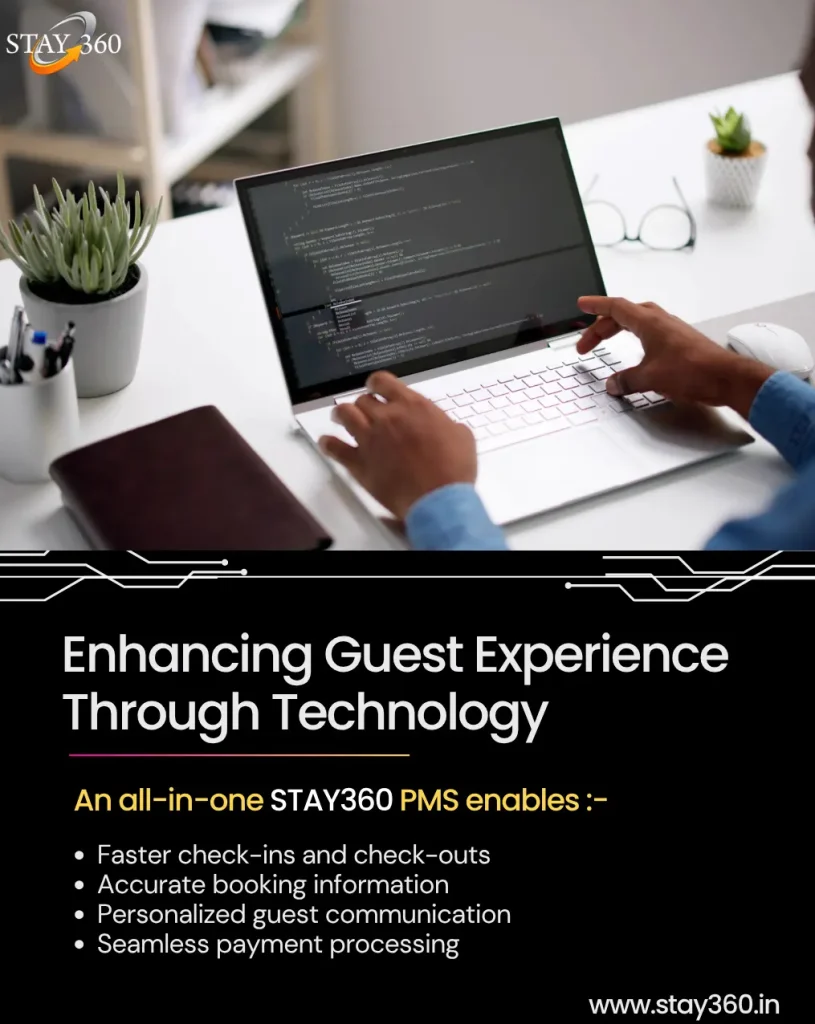
An all-in-one PMS enables:
- Faster check-ins and check-outs
- Accurate booking information
- Personalized guest communication
- Seamless payment processing
When operations run smoothly behind the scenes, guests enjoy a frictionless experience leading to better reviews and higher repeat bookings.
Why 2026 Demands a Smarter Approach
The hospitality industry is becoming increasingly data-driven and competitive. Hotels that fail to adopt modern technology risk falling behind.
Key trends shaping the future include:
- Increased reliance on direct booking channels
- Greater demand for mobile-first experiences
- Integration of AI-driven pricing and analytics
- Need for real-time operational control
An all-in-one PMS is not just a tool, it is the foundation for adapting to these changes.
The Stay360 Advantage
Platforms like Stay360 are designed to meet the evolving needs of modern hotels combining multiple functionalities into a single, powerful system.
With features such as:
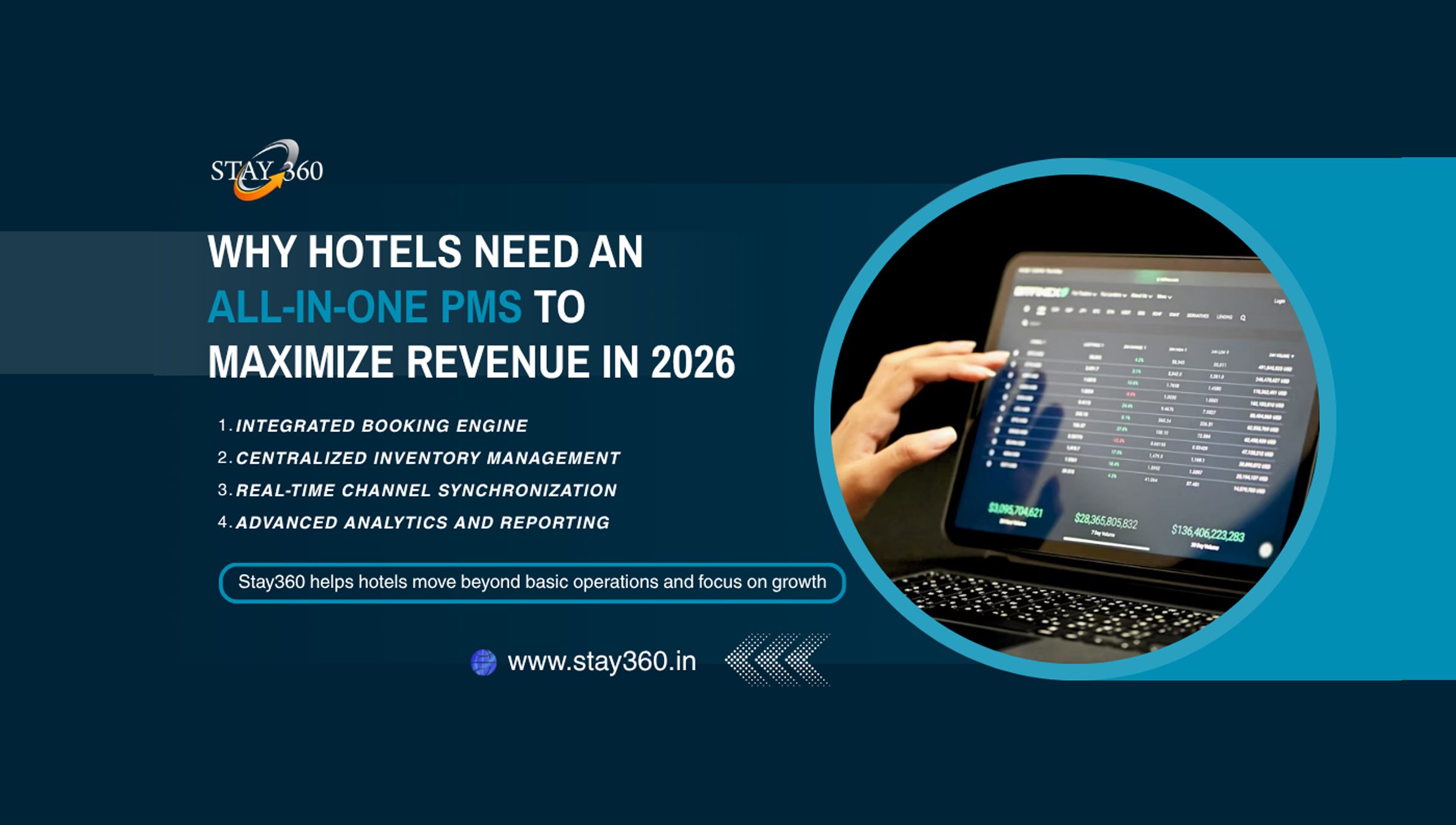
- Integrated booking engine
- Centralized inventory management
- Real-time channel synchronization
- Advanced analytics and reporting
Stay360 helps hotels move beyond basic operations and focus on growth.
It enables properties to reduce dependency on third-party platforms, increase direct bookings, and operate with greater efficiency, all within one unified ecosystem.
Conclusion
In today’s competitive hospitality landscape, success depends on more than just offering great rooms. It requires smart systems that can manage complexity, adapt to market changes, and unlock new revenue streams.
An all-in-one PMS provides the foundation for this transformation. By integrating operations, pricing, distribution, and analytics, it empowers hotels to operate smarter and grow faster.
As we move into 2026, hotels that embrace unified, technology-driven platforms will be the ones that lead the industry, not follow it.